
Current projects
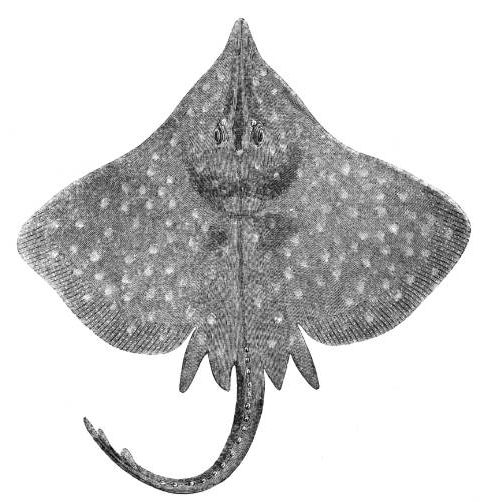
Juvenile skate morphology
Accurate species identification is essential for effective management of threatened species, especially those with overlapping distributions and similar morphologies. Skate (Order Batoidea) exhibit a highly conserved superficial morphology, which has resulted in a long history of taxonomic confusion and misidentification within this group. These data quality issues hinder conservation efforts, as species-specific information is essential to inform appropriate management strategies.
The flapper skate (Dipturus intermedius) and blue skate (D. batis) are prime examples of this challenge. Both species inhabit the Northeast Atlantic and share a complicated, intertwined taxonomic history. By combining morphological and molecular techniques, we aim to establish rapid and accurate diagnostic criteria for distinguishing juveniles of these two species in the field.
Project affiliation: Queen’s University Belfast

Welfare factors influencing the spatial ecology of domestic cats
Domestic cats (Felis catus) live in high densities alongside humans in urban and rural areas and contribute significantly to wildlife predation. Though innately wild, domestic cats lead varied lifestyles, shaped by factors like time spent with owners, presence of other cats, and access to supplementary feeding—all of which may influence their movements and environmental impacts.
We employed a biotelemetry approach (GPS & accelerometer) to track the movements of over 60 cats across Northern Ireland. We also collected information on each cat’s lifestyle and personality traits to examine how these internal factors shape the movement patterns of domestic cats across different environments.
Project affiliation: Queen’s University Belfast
Previous projects
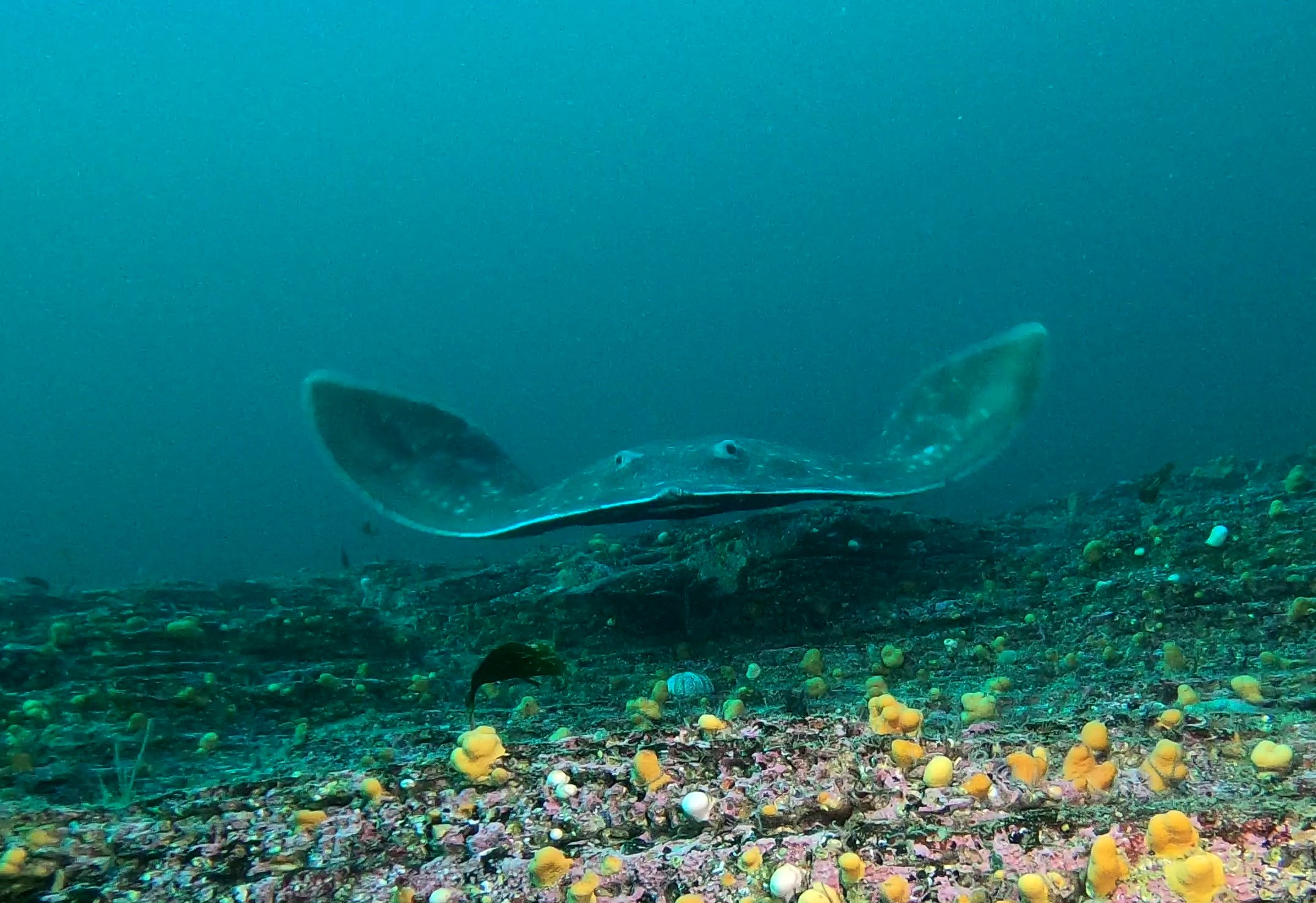
PhD thesis: Conservation and management of the Critically Endangered flapper skate
The flapper skate (Dipturus intermedius) is a large demersal elasmobranch distributed along the northeast Atlantic shelf. Known for reaching lengths of up to three meters, it is considered the largest species of skate in existence. Fishing pressure throughout the 20th century has resulted in significant declines and local extirpations of the species, such that it now has a Critically Endangered conservation status.
My PhD aimed to fill crucial gaps in our understanding of the flapper skate’s biology and habitat, providing insights that are vital for future conservation efforts. I employed a number of approaches, including Bayesian species distribution modelling (with spatial extensions and barriers), GIS mapping and consensus-based expert survey methods.
Project affiliation: Queen’s University Belfast
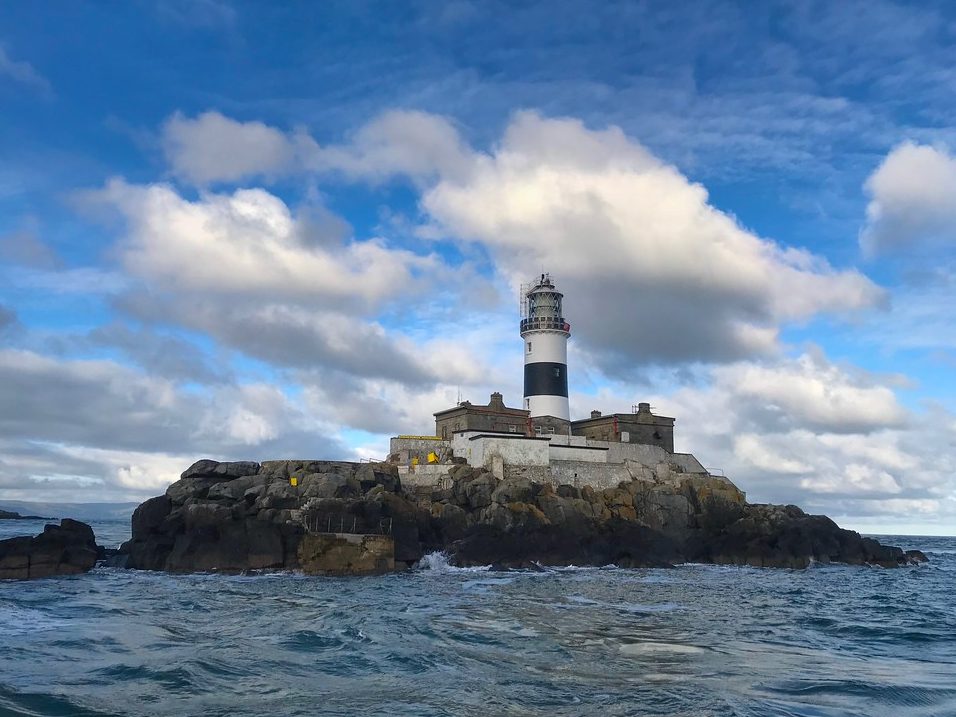
The Maidens SAC Flapper Skate Assessment
This project was funded by Northern Ireland’s Department of Agriculture, Environment, and Rural Affairs (DAERA), to assess whether the Maidens SAC was a suitable site for focused management of the flapper skate.
The Maidens SAC is an area of high conservation interest in Northern Irish waters, designated to protect unique reef habitats and communities in the region. Citizen science tagging efforts identified the site as a potential area supporting relatively high abundances of flapper skate in Northern Irish waters.
We conducted Baited Remote Underwater Video (BRUV) and towed camera surveys to characterise the abundance of skate in the area, to identify potential egg laying grounds for the species, and to map the flapper skate’s putative prey field.
Project affiliation: Queen’s University Belfast
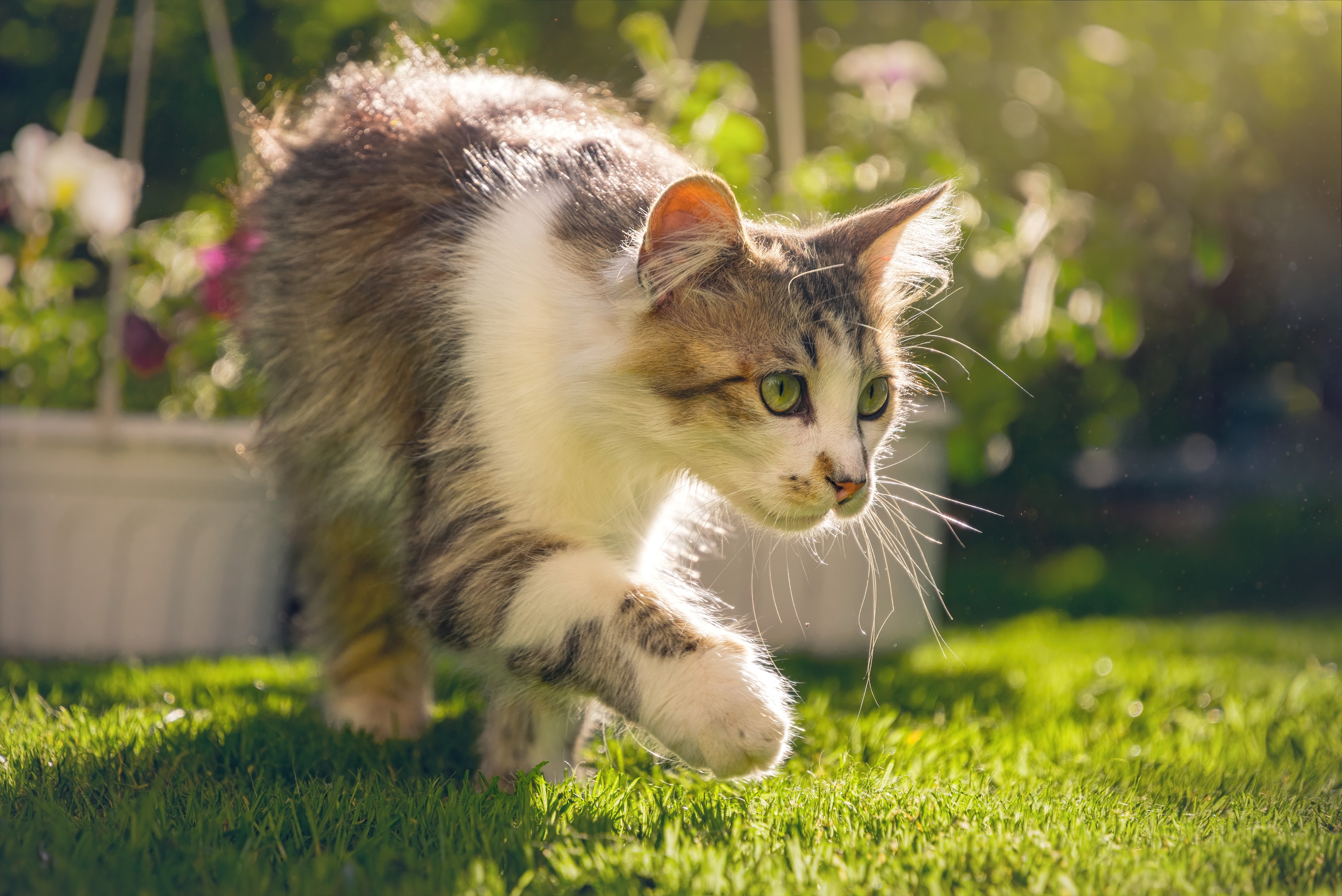
The spatial ecology of domestic cats (Felis catus) in response to urbanisation
Domestic cats (Felis catus) thrive at high densities alongside humans in urban and rural environments and are responsible for excessive wildlife predation worldwide. As urbanisation and farmland expands, and domestic cats inevitably reach previously unoccupied habitats, management plans will rely on understanding cat ranging behaviours. We sought to assess how domestic cat behaviours varied during different seasons in urban, suburban, and rural environments.
We employed a combined biotelemetry approach (GPS & accelerometer) and an intensive survey design to generate one of the most comprehensive datasets on domestic cat movements to date. With over 60 individuals tracked across Northern Ireland, we investigated changes in cat ranging behaviours, activity levels and habitat use across a gradient of urbanisation.
Project affiliation: Queen’s University Belfast
 Sophie Loca